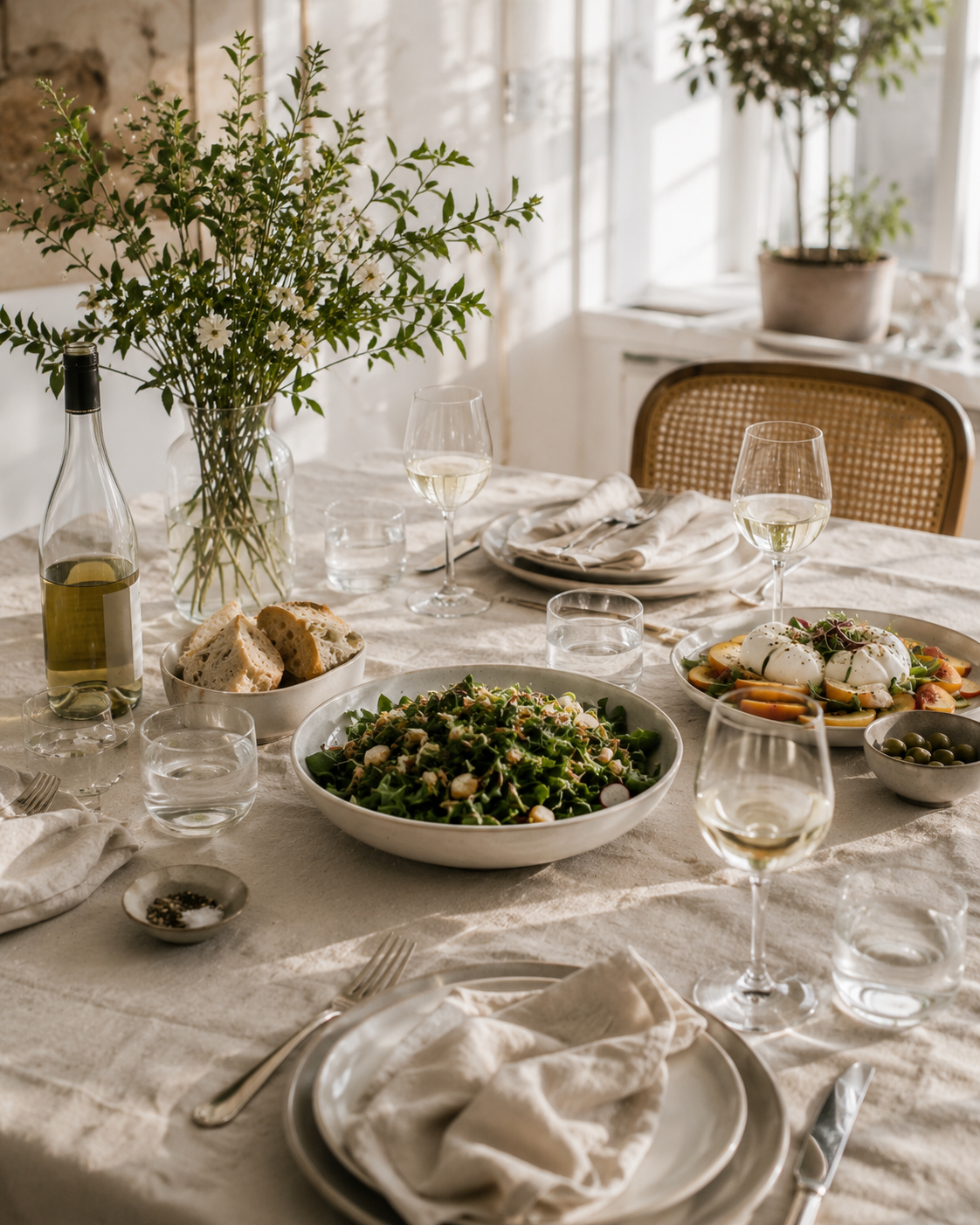
It usually begins innocently: you invite six people, save a few recipes, and decide this is the evening to make something special. Then the menu grows one appealing dish at a time.
A baked starter seems easy. So does a roast, a separate vegetarian option, two sides, and a warm dessert. Each recipe may be reasonable on its own. The difficulty appears only when they all need the same oven, the same counter, and your attention during the same forty-five minutes.
This is why an inexperienced host can follow every recipe correctly and still spend the first hour of the party cooking, apologizing, or asking someone to keep an eye on the stove. The problem is not necessarily skill. It is coordination.
The principle
Your menu is not finished until the final hour fits.
The useful question is not simply, “Can I make these dishes?” It is, “Can I make these dishes together, in this kitchen, with the time and attention I actually have?” A menu passes only when the event remains workable as a whole.

A practical method
Run the final-hour test before you commit to the menu.
Start with the sixty minutes before guests arrive. Write down the actions the menu requires—not just the names of the dishes. “Roast chicken” is one menu item. In the final hour it may mean checking temperature, resting, carving, making pan sauce, and finding a warm platter.
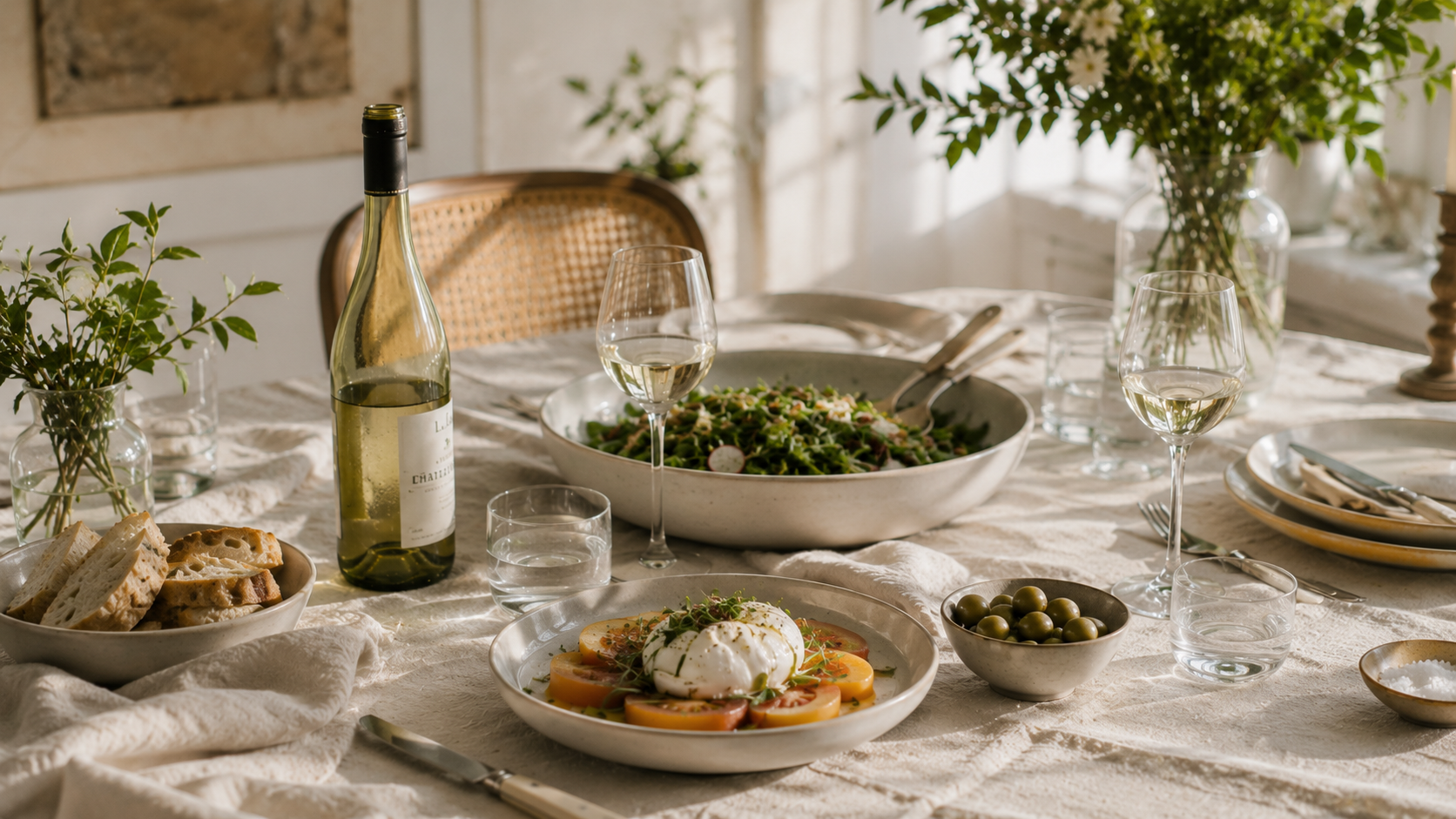
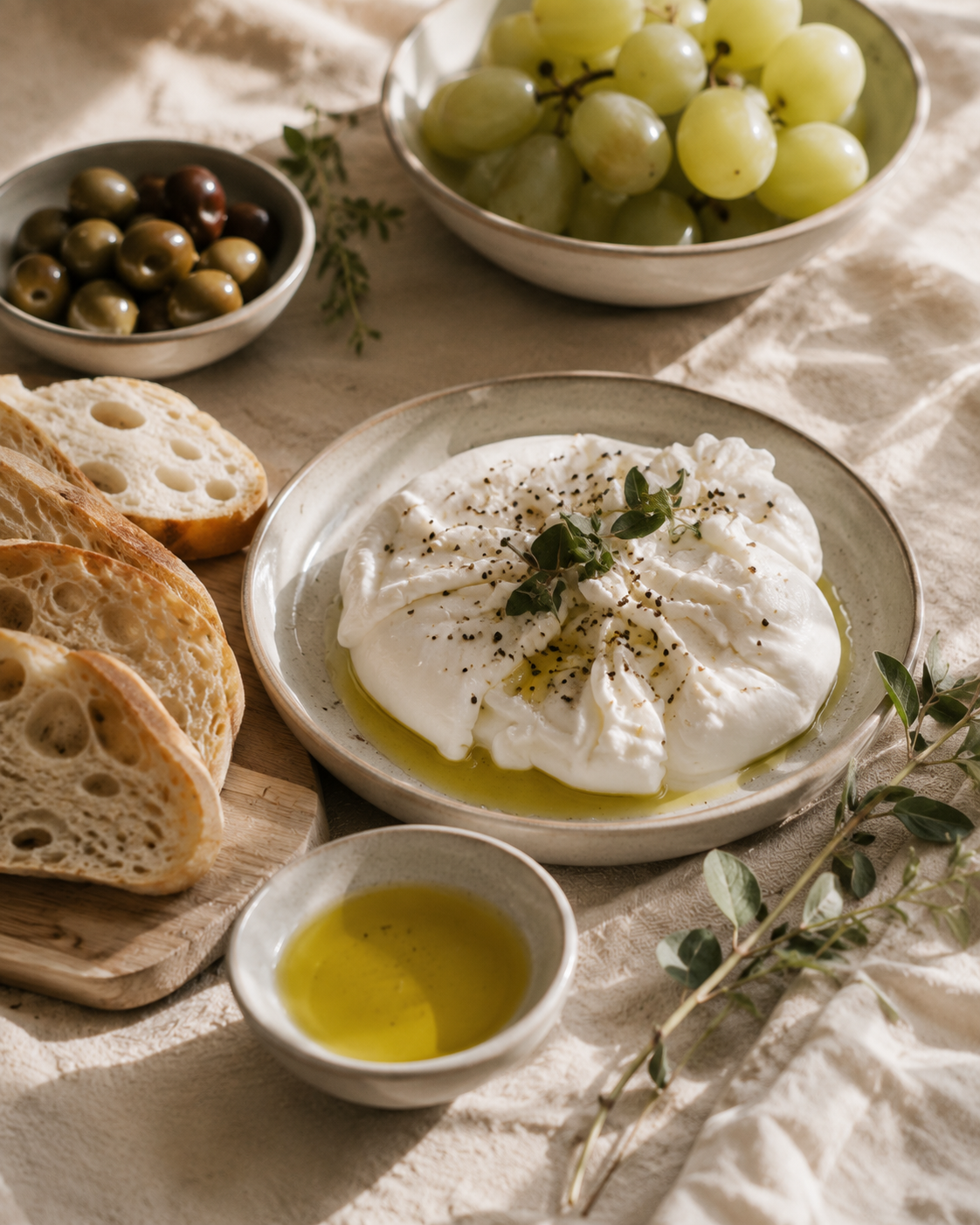
One thoughtful element can carry the menu. The rest should support it.
List the actions
Include reheating, chopping, dressing, carving, garnishing, plating, clearing counter space, finding serving pieces, and getting yourself ready.
Output: a final-hour task list.
Mark the constraints
Note every task that needs active heat, exact timing, the oven, the same burner, a clean sink, or your uninterrupted attention.
Output: a conflict map.
Choose the focal point
Decide which one homemade element makes the evening feel like yours. It may be the main dish, a family recipe, or dessert—but it does not need to be all three.
Output: one protected priority.
Give every component a verdict
Assign each item one instruction: make, buy, prepare earlier, simplify, or remove. “Homemade” is not the default; usefulness is.
Output: a coordinated menu.
Rebuild the hour
Put the remaining tasks in order. Move table setting, drinks, serving pieces, and most cleanup outside the final hour whenever possible.
Output: a short execution sequence.
Test host presence
Imagine the first guest arriving ten minutes early. You should be able to stop, open the door, pour a drink, and return to one forgiving task—not five urgent ones.
Output: a pass, revise, or simplify verdict.
What creates pressure
- Active heat
- Stirring, searing, frying, reducing, or watching closely
- Exact timing
- A dish that cannot wait ten minutes without suffering
- Equipment conflict
- Two dishes needing the same oven, burner, or pan
- Final assembly
- Chopping, garnishing, carving, plating, or dressing
- Unfamiliar technique
- A first attempt with no recovery plan
- Guest-facing work
- Door, drinks, coats, introductions, and conversation
A worked example
Six guests, one oven, and a menu built dish by dish.
Imagine a host with moderate cooking confidence, ninety minutes available on the day, one oven, and one vegetarian guest. The initial plan sounds generous: baked feta with crostini, roast chicken, a mushroom tart, crispy potatoes, green beans, salad, and a warm apple crisp.
The first assumption
Every dish is manageable, so the menu is manageable.
But the chicken, tart, potatoes, starter, and dessert all compete for the oven. The beans require a burner, the salad needs finishing, and the chicken still needs to rest and be carved.
What the test reveals
The menu has two mains and six final-hour dependencies.
The vegetarian dish is being treated as an addition instead of a menu-design constraint, while the dessert adds another exact oven window after dinner.
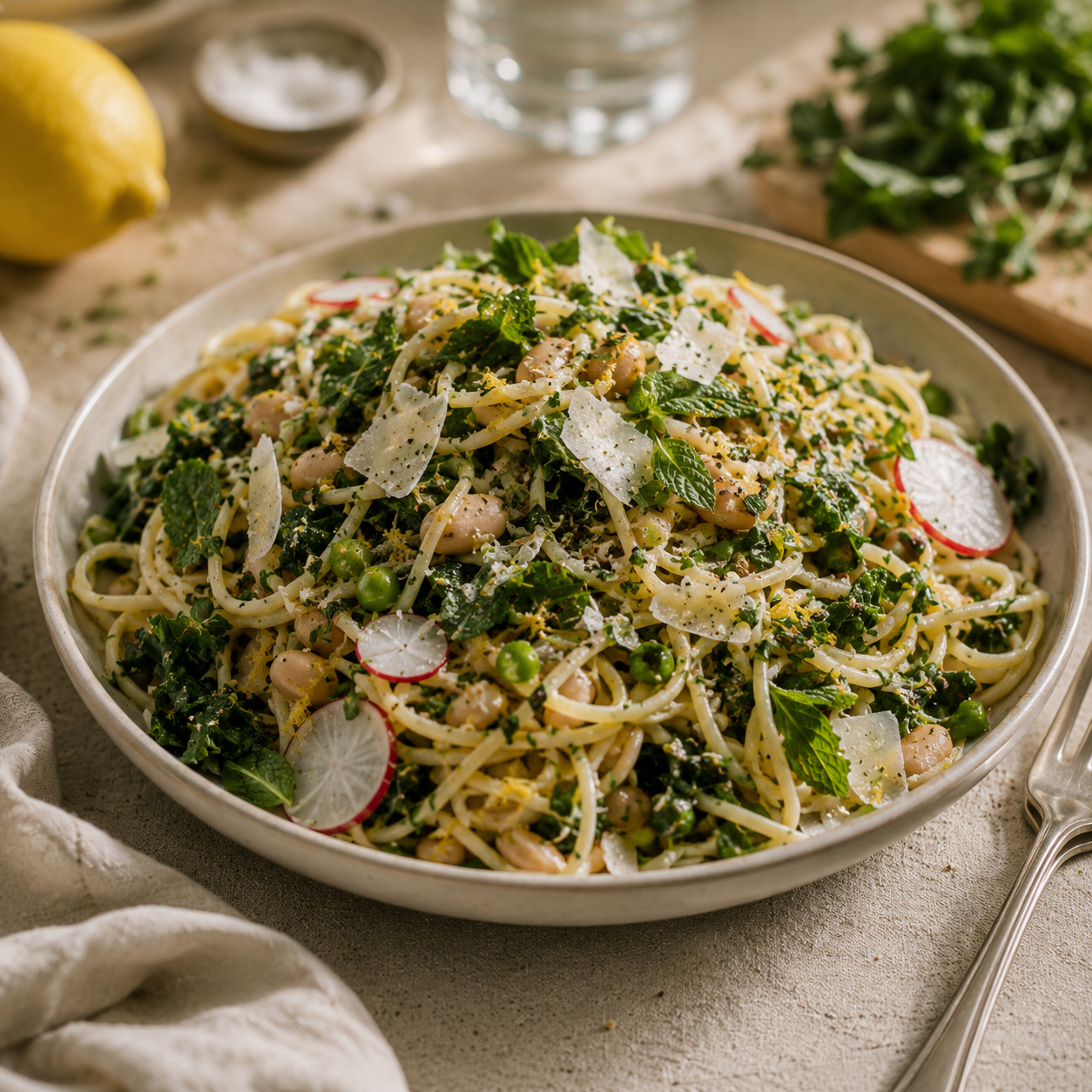
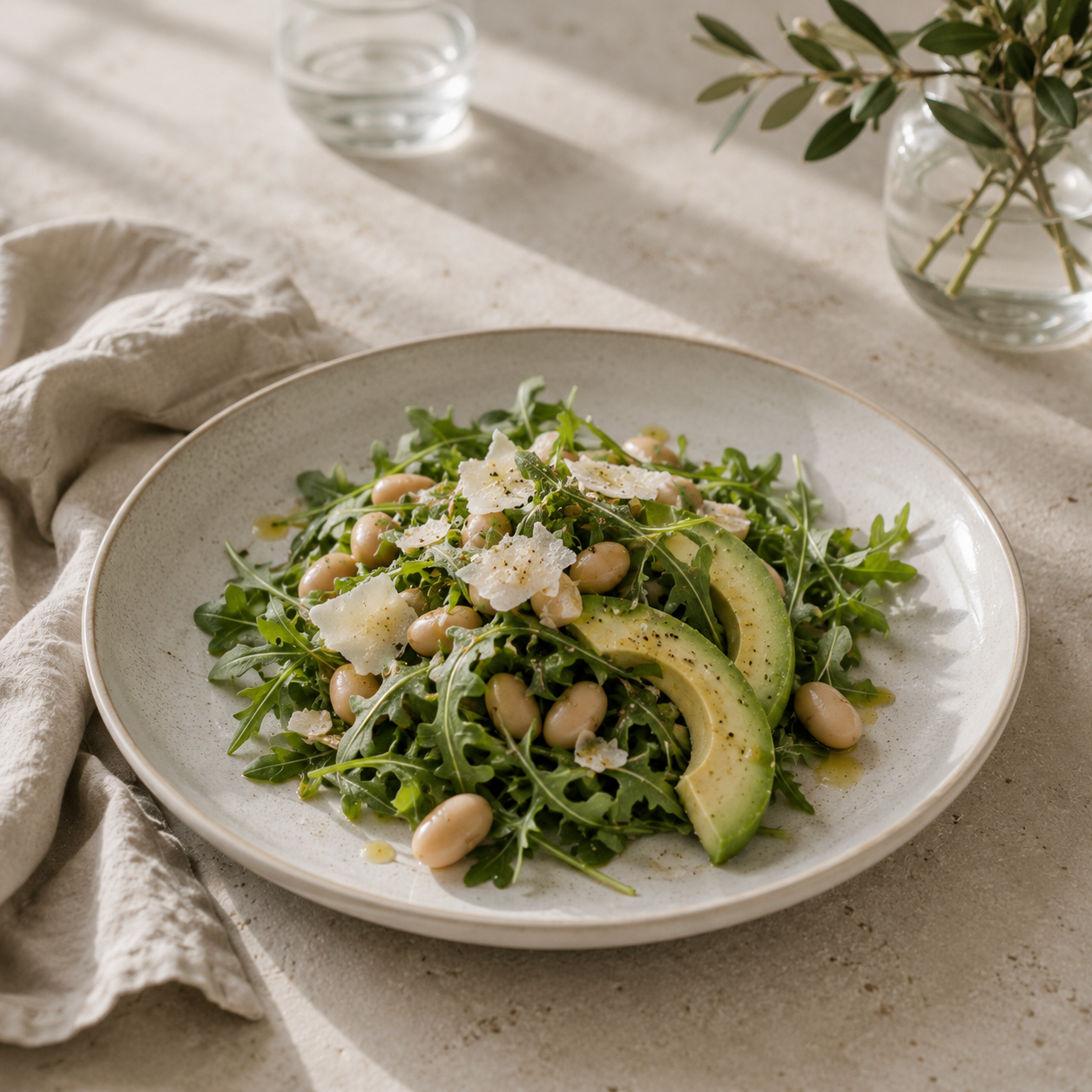
The revised sequence
- Day before: assemble the baked pasta; mix dressing; set out serving pieces.
- Three hours before: set the table; chill drinks; wash and dry the greens.
- Final hour: bake the main; arrange bread and olives; dress the salad.
- When guests arrive: the oven is doing the work and the host is available.
The revised dinner is not less thoughtful. It is more coherent. One homemade dish receives the attention it deserves, the vegetarian guest is included in the main meal, and the host has enough margin to participate in the evening.
The pass condition
A first dinner-party menu should leave no more than three active final-hour tasks.
- Only one dish requires exact timing.
- No two essential dishes compete for the same equipment.
- Most of the menu can tolerate a ten-minute delay.
- The host can leave the kitchen when the first guest arrives.
Pass: reheat the main, dress the salad, warm the bread.
Revise: roast, fry, reduce, carve, plate individually, and bake a dessert while answering the door.
Three is a useful default for an infrequent host, not a law. A highly experienced cook with help and a larger kitchen may comfortably manage more. But if two or more pass conditions fail, simplify the plan before buying another ingredient or serving piece.
Interactive example
Reveal a fixed menu reality check.
This preview shows how a few constraints change the recommendation. It is an example—not a completed personal plan.
Six guests · one oven · ninety minutes on the day · one vegetarian guest Reveal the reality check
Fixed example
Choose a thoughtful—not occasion-level—plan.
The primary risk is not the guest count. It is the combination of one oven, limited day-of time, and a separate vegetarian entrée competing with the main.
- Ambition
- Thoughtful
- Primary risk
- Two mains and overlapping oven windows
- Likely simplification
- Use one all-guest baked main and buy dessert
- Protected final hour
- Reheat, dress, warm

A more personal next step
Check whether your dinner-party plan is doing too much.
The article gives you the test. The Dinner Party Plan applies it to your guest count, menu ideas, kitchen, available time, dietary needs, and cooking confidence—then shows what to make, buy, prepare earlier, simplify, remove, or delegate.
Check my dinner-party planNo account or email required to begin